
I’m a Research Consultant for the Hoban Conservation Lab. Using population genetic data, I work with other members of the lab and folks from different botanic gardens and arboreta to inform the conservation of rare plant species.
Currently, I’m working on a project seeking to measure the correlation between geographic and genetic metrics of ex situ collection breadth. This is part of an IMLS grant which seeks to improve how botanic gardens utilize genetic data. I’m also conducting genetic analyses on red oaks distributed across Texas.
You can find more of my research below.
Download my CV.
- Conservation Genetics
- Plant Population Genetics
- Bike Touring
-
MSc in Biology/Ecology, 2020
Utah State University
-
BSc in Neuroscience, 2014
University of Nevada, Reno
Publications
iNaturalist Observations
These are some of my recent observations from iNaturalist. If you want to see more, follow me there!
Experience


Projects
Genetic Diversity Indicators
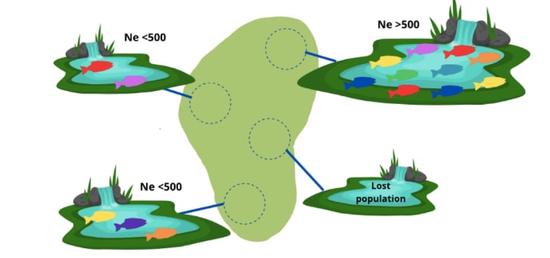
Along with an international team of conservation and population geneticists, I’ve helped develop and calculate genetic diversity indicators–metrics that serve as proxies for the genetic status of a species and which can be determined with or without genetic data. These indicators are included in the Center for Biological Diversity’s Kunming-Montreal Global Biodiversity framework. I recently coauthored a paper outlining the calculation of these indicators for nine different countries, and am currently working on calculating indicator values for North American trees.
Geographic Genetic Correlation
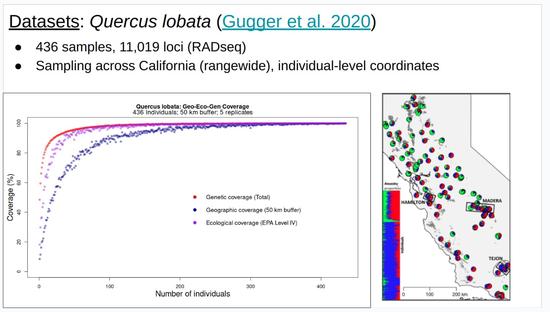
Botanic gardens and arboreta strive to protect not just species diversity, but genetic diversity within species. This project builds off of gap analysis approaches to assess how well geographic proxies of genetic diversity work.
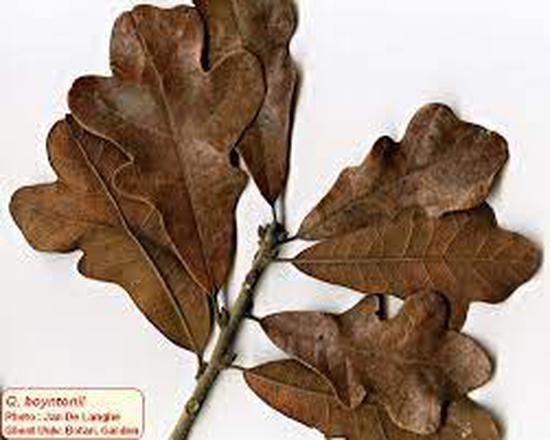
Ex situ conservation of oaks using RADseq vs. microsatellite markers
Using both empirical and simulation approaches, I’ve conducted research comparing SNP and microsatellite markers when measuring ex situ conservation. This work is part of the larger Global Conservation Consortium of Oaks, and was funded by the Institute of Museum and Library Services.